Essential Gear for First-Time Cave Explorers
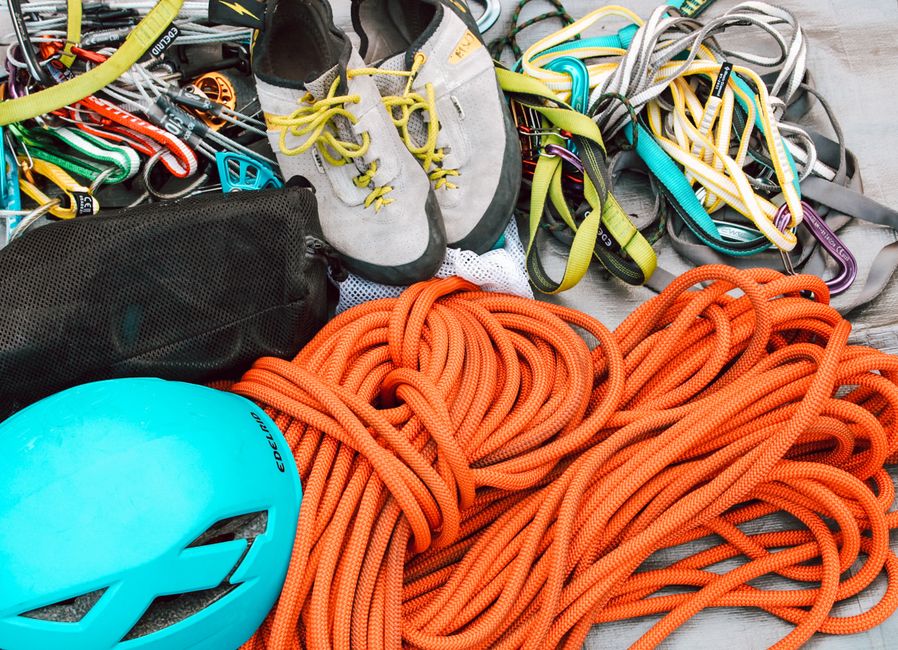
Exploring a cave for the first time requires careful preparation and an understanding of the equipment that can support a safe and comfortable experience. The underground environment presents unique conditions, including darkness, moisture, uneven terrain, and limited space. Selecting gear that addresses these factors is a common step for those new to caving.
As noted by Cave Insights, understanding the function of each piece of equipment is a practical starting point for first-time explorers.
This article outlines some of the essential categories of equipment that first-time explorers may consider. By focusing on key items such as head protection, lighting, clothing, and safety gear, the aim is to provide a clear overview of what is typically used in caving and how each item contributes to a well-prepared trip.
Head Protection and Lighting
Helmets are widely regarded as an essential part of caving equipment. The cave environment frequently contains low ceilings, irregular rock protrusions, and narrow passages that can make head impact a realistic possibility. Helmets designed for climbing or industrial use are often chosen for their impact resistance and secure fit. Many cavers mount a headlamp onto the helmet using a clip or bracket, which allows the hands to remain free for climbing, crawling, or holding onto rocks. This setup is common in the caving community because it provides consistent illumination directly aligned with the direction the explorer is looking.
Lighting is another critical component of cave exploration. In complete darkness, a single light source can leave an explorer vulnerable if it fails. Therefore, it is standard practice to carry at least two independent light sources. A headlamp with a strong LED beam is typically the primary option. Spare batteries are often taken, and some cavers also pack a small backup torch or a chemical light stick. Before entering a cave, checking that all lights are functioning and that batteries are fully charged is a routine step that many groups follow. This preparation helps reduce the likelihood of being left without light.
Clothing and Footwear
Clothing choices for caving are influenced by the need to manage temperature and moisture. Caves are often cool and damp, and physical activity can generate body heat. A common approach is to wear a synthetic base layer that wicks sweat away from the skin, followed by an insulating mid-layer such as a fleece. An outer waterproof layer helps protect against water and mud. Many cavers use a one-piece caving suit made of durable, waterproof fabric, which also reduces the risk of snagging on rocks. Avoiding cotton is a frequent recommendation because it loses insulating properties when wet and can contribute to chilling.
Footwear is selected based on the type of terrain. Rubber boots are popular in wet or muddy caves because they keep feet dry and provide decent traction on slick surfaces. For drier caves, sturdy hiking boots with deep lugs may offer better ankle support and grip. It is important that boots fit well and have a comfortable insole, as cavers may spend several hours walking, climbing, or crawling. Many explorers also carry a pair of dry socks in a waterproof bag to change into after exiting the cave, which can improve comfort during the return journey.
Protective Gear and Accessories
Knee pads and elbow pads are items that many cavers find helpful, especially when navigating passages that require crawling or sliding. These pads are typically made of foam or rubber and strap onto the limbs. They can reduce the impact on joints and help protect clothing from wear. Gloves are another accessory that can improve grip and protect hands from cold, sharp edges. Some cavers prefer lightweight work gloves that allow for fine motor tasks, while others use insulated gloves in colder caves. The choice often depends on personal preference and the specific conditions of the cave.
A small backpack or a chest-mounted bag is a practical way to carry spare items while keeping them accessible. The bag should be compact and secure, with straps that prevent it from swinging or catching on rocks. Some cavers use a dry bag to keep contents dry in wet environments. A whistle is a simple but effective signalling device that can be heard over long distances in caves. A first aid kit with basic supplies, such as adhesive bandages, antiseptic wipes, and gauze, is often included. It may also contain a pair of tweezers and a small pair of scissors. Cavers with specific medical needs typically carry their own medications.
Navigation and Communication
Navigation in a cave can be challenging because the environment lacks the familiar landmarks found on the surface. Many groups adopt a methodical approach: noting each junction, remembering the direction of water flow, or using small reflective markers that do not damage the cave. Some cavers use a simple compass, though its usefulness depends on the cave’s geology. A map of the cave system, if available, can help in planning the route and identifying key features. It is common to pause frequently to check orientation and to ensure that the group is together.
Maintaining communication among group members is important for coordination and safety. Before entering, many groups discuss the plan, including how long they expect to be underground and what to do in case of separation. In narrow or noisy passages, voice may not carry well, so hand signals or a whistle code can be used. Some groups carry a mobile phone in a waterproof case, although signal reception is typically absent. A more reliable tool is a two-way radio, but these can be affected by cave walls. The underlying principle is to have a clear, agreed-upon communication strategy that everyone understands.
Provisions and Emergency Kit
Carrying adequate provisions is a common aspect of caving preparation. High-energy foods that are easy to eat while resting, such as trail mix, energy bars, or dried fruit, are often chosen. Water is essential, and a hydration bladder or a durable water bottle can be used. The amount of water needed varies depending on the duration and intensity of the trip, but it is advisable to take more than the estimated requirement. Some cavers also include a small packet of electrolyte powder to mix with water, which can help maintain energy levels during prolonged physical activity.
An emergency kit is a standard component of a well-prepared caving trip. Basic items typically include a space blanket or reflective bivvy bag for warmth, a lighter or waterproof matches, and a multi-tool. A spare headlamp with batteries is often considered a necessity. A first aid kit designed for caving may contain items for treating blisters, cuts, and minor sprains, as well as a triangular bandage for splinting. It is also prudent to leave a trip plan with a reliable contact on the surface, including the cave entrance location and the expected return time. This information can assist rescue teams if the group does not emerge as planned.